Secondary Education (6-12)
If you want to bring your knowledge and experience to the classroom, then K-State’s MAT is perfect for you. This program prepares you to teach at the middle and high school levels while developing the instructional and classroom leadership skills today’s educators need.
Through focused coursework, mentorship and classroom experience, the program prepares you to teach in your subject area and build the skills and confidence to lead your own classroom.
The Secondary MAT provides a fully online pathway to certification for grades 6–12 while allowing you to complete field experiences in a school near you.
Program Benefits
The Secondary MAT Program features:
Affordable.
All students pay the same tuition regardless of residency. More than 70% of MAT students receive scholarships, such as K-State’s online scholarships and/or the Kansas Board of Regents’ Kansas Teacher Service Scholarship.
Earn While You Learn.
Through our Practitioner Track, Kansas students may obtain a restricted license and become full-time teachers while completing their degree requirements. Our License-Seeking Track allows you to be a full-time student or continue your current employment.
Flexible and Convenient.
MAT students work on their online courses as their schedules allow and may complete their program in as little as 12 months or at their own pace, with student- teaching in local schools.
Personalized Coaching.
Every MAT student is assigned a GradCat — a master teacher who serves as a mentor, coach and evaluator from the beginning to the end of each course.
Quality.
K-State’s MAT program is ranked #18 (of 323) by U.S. News & World Report. The program combines research-based preparation with practical, classroom-based experiences, ensuring graduates are well-prepared.
Exceptional Learning Community.
Students in the MAT program come from across the country and around the globe, bringing talent, insight and shared purpose into every conversation.
One Size Does Not Fit All.
The MAT recognizes and values your unique strengths, views teaching as a practical and individualized activity and prepares you for success across a variety of contexts.
In-Demand Everywhere.
K-State MAT graduates have the flexibility to launch teaching careers in their own communities — or beyond — with licensure that opens doors nationwide.
Secondary Licensure Areas
The Secondary MAT now offers programs that lead to licensure in 16 subject areas organized in four disciplinary clusters and agriculture. Each cluster shares a common secondary methods course (EDCI 786) and clustered colloquia (EDCI 797, 798, 799), so you get shared foundational coursework alongside subject-specific resources, assignments and mentorship in your licensure area.
- Agriculture*
- Art (new)
- Biology (new)
- Business (new)
- Chemistry (new)
- Earth Science (new)
- English/Language Arts
- Family & Consumer Sciences (new)
- Health (new)
- Journalism (new)
- Mathematics
- Modern Languages
- Music (new)
- Physical Education (new)
- Physics (new)
- Social Studies
- Speech/Theatre (new)
*Agriculture Education operates as its own secondary licensure pathway, administered through Ag Ed with its own methods course and colloquia.
Program Tracks
The program consists of two flexible tracks. Once you complete the program, you’ll be eligible to apply for a Kansas Initial Teaching License. Kansas licensure also requires a Praxis content test. The license will transfer to other states once you complete any additional requirements for that state.
Practitioner Track:
If you pursue the MAT while teaching full-time, K-State will partner with you and your hiring Kansas school district to support your application for a Kansas Restricted Teaching License.
License-Seeking Track:
Pursue the MAT while continuing your current employment outside the classroom.
Online Tuition and Costs
Wondering what your online program will cost?
Scholarships and Financial Aid
There are several scholarship and financial aid opportunities available to you, including:
Kansas Teacher Service Scholarship:
Provides $3,400 per semester for fall and spring. Apply before June 1 to be placed in the priority pool.
K-State Online Scholarships:
Multiple opportunities providing $1,000–$1,500 per semester. Deadlines are April 1 (summer), June 1 (fall) and Nov. 1 (spring).
Federal Loan Forgiveness for Teachers:
Available if you’re willing to teach in a low-income school for five consecutive years, up to $17,500.
FAFSA:
Completing the FAFSA is required for eligibility for several of the assistance programs above.
SkillBridge:
If you're a military veteran, spouse or actively serving in the U.S. Armed Forces, you may earn a GI Bill-eligible degree in education through this program.
You are required to meet the general university admission requirements, plus the following program-specific documentation:
- A video essay addressing why you’re interested in the program, your prior experience working with students and why you believe you would be a successful teacher.
- A resume.
- Names and emails of three professional and/or academic references.
- If you’re an international student and need your GPA translated to a 4.0 scale, send your transcripts to tvontz@k-state.edu.
- If your primary language is not English, you must submit proof of English Language Proficiency (TOEFL, IELTS, or PTE), dated within 18 months of the application deadline, unless exempt.
- Completed qualifying coursework in your intended teaching content area. Email transcript(s) to tvontz@ksu.edu to check before applying.
- A passing score on the Praxis content test for your licensure area. Secondary MAT applicants must pass this test as a condition of admission, not just before licensure — see the table below and plan to test early.
Praxis Content Tests by Licensure Area
Send official scores to Kansas State University using score recipient code 6334. If you also want scores sent to KSDE for Kansas licensure purposes, use code 7270.
Agriculture and modern languages (Chinese, French, German, Japanese, Spanish) have limited Praxis testing availability and offerings — plan ahead.
- Biology — Biology: Content Knowledge (5236)
- Chemistry — Chemistry: Content Knowledge (5246)
- Earth Science — Earth and Space Sciences: Content Knowledge (5572)
- Mathematics — Mathematics: Content Knowledge (5165)
- Physics — Physics: Content Knowledge (5266)
- Art — Art: Content Knowledge (5134)
- Health — Health Education (5551)
- Modern Languages — the corresponding World Language test for your specific language (e.g., Chinese (5665), French (5174), German (5183), Japanese (5661), Spanish (5195), each have a separate test code)
- Music — Music: Content Knowledge (5113)
- Physical Education — Physical Education: Content Knowledge (5091)
- English/Language Arts — English Language Arts: Content Knowledge (5038)
- Journalism — Journalism (5224)
- Speech/Theatre — Speech Communication: Content Knowledge (5221)
- Social Studies — Social Studies: Content Knowledge (5581)
- Business — Business Education (5101)
- Family & Consumer Sciences — Family and Consumer Sciences (5123)
- Agriculture — Agriculture (5701)
If your subject expertise comes from a previous career, a degree or years of hands-on experience, schools need it now more than ever.
Secondary MAT Practitioner Curriculum
Secondary practitioners take the same curriculum as the License-Seeking Track below, but are also required to take EDCI 886: Orientation to Teaching, to help prepare you for full-time teaching. To pursue a restricted license, students must have successfully completed EDCI 702, EDCI 716 and have enrolled in or completed EDCI 886.
Secondary MAT License-Seeking Curriculum
This track is for you if you pursue the MAT while continuing your current employment.
Prerequisite Core Courses (6 credits):
- EDCI 702 — Curriculum, Instruction and Assessment (3 credits)
- EDCI 716 — Teaching Diverse Learners (3 credits)
License-Seeking Courses (20 credits):
- EDCI 786 — MAT Secondary Methods (3 credits)
- EDCI 710 — Social Foundations of Education (3 credits)
- EDCI 715 — Literacy and Diverse Learners in Content Areas (3 credits)
- EDCI 760 — Action Research in Education (3 credits)
- EDCI 797 — Secondary Content Field Colloquium I (2 credits)
- EDCI 798 — Secondary Content Field Colloquium II (2 credits)
- EDCI 799 — Secondary Content Field Colloquium III (2 credits)
- EDCI 800 — Teaching Practicum (2 credits)
Culminating Courses (5 credits):
- EDCI 801 — Internship in K–12 Schools (4 credits)
- EDCI 890 — Master’s Project (1 credit)
Students Profiles
Meet current students and graduates from across the U.S. and around the globe who have turned their vast experiences into a passion for teaching. Explore their K-State Secondary MAT stories.

Why I’m a unique teacher: I have an undergraduate degree in Homeland Security, so I have a unique outlook on the content that we are teaching in Social Studies.
Brittan Towner | Secondary
Valley Center, Kansas
Why I selected K-State’s MAT program: K-State’s MAT program was incredibly responsive and accommodating. No one else offered so much hands-on help and instruction on such a convenient timeline.
Isaac Anderson | Secondary
Iowa City, Iowa
Meet the Faculty
Meet the faculty behind K-State’s Master of Arts in Teaching (MAT) programs. Learn about the experienced educators and scholars who bring their expertise and passion for teaching to the classroom. (More information coming soon.)

My advice is to stay in communication. The program has many supports built in at every level. If you have questions, confusion or are struggling with anything, reach out to someone in the program so we can support you.
T.J. Duntz
Academic Advisor
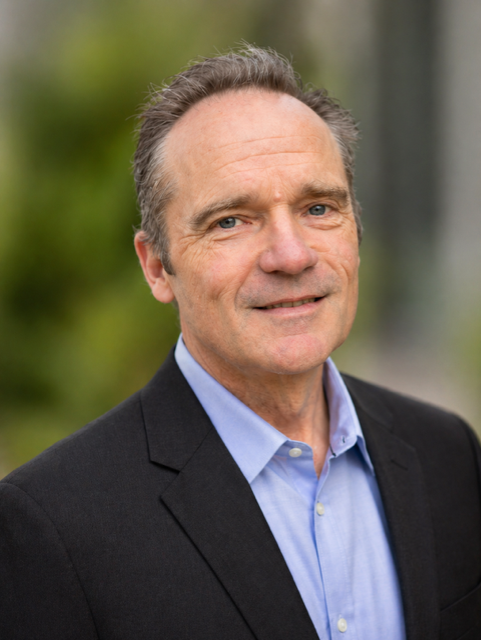
What advice do you give incoming MAT students? Expect ambiguity in teaching. Answers are not black-and-white, yes-or-no, right-or-wrong. There are good and bad ways to proceed as a teacher. It’s their job to figure out what’s right in the context. Teaching is not following a script. Really good teaching is dynamic; it’s ever-changing and it’s reacting and responding to different variables and contexts. It makes teaching challenging and rewarding. The fundamental teaching decisions are about gray areas.
Thomas Vontz | Professor
Director, Master of Arts in Teaching and Center for Social Studies Education
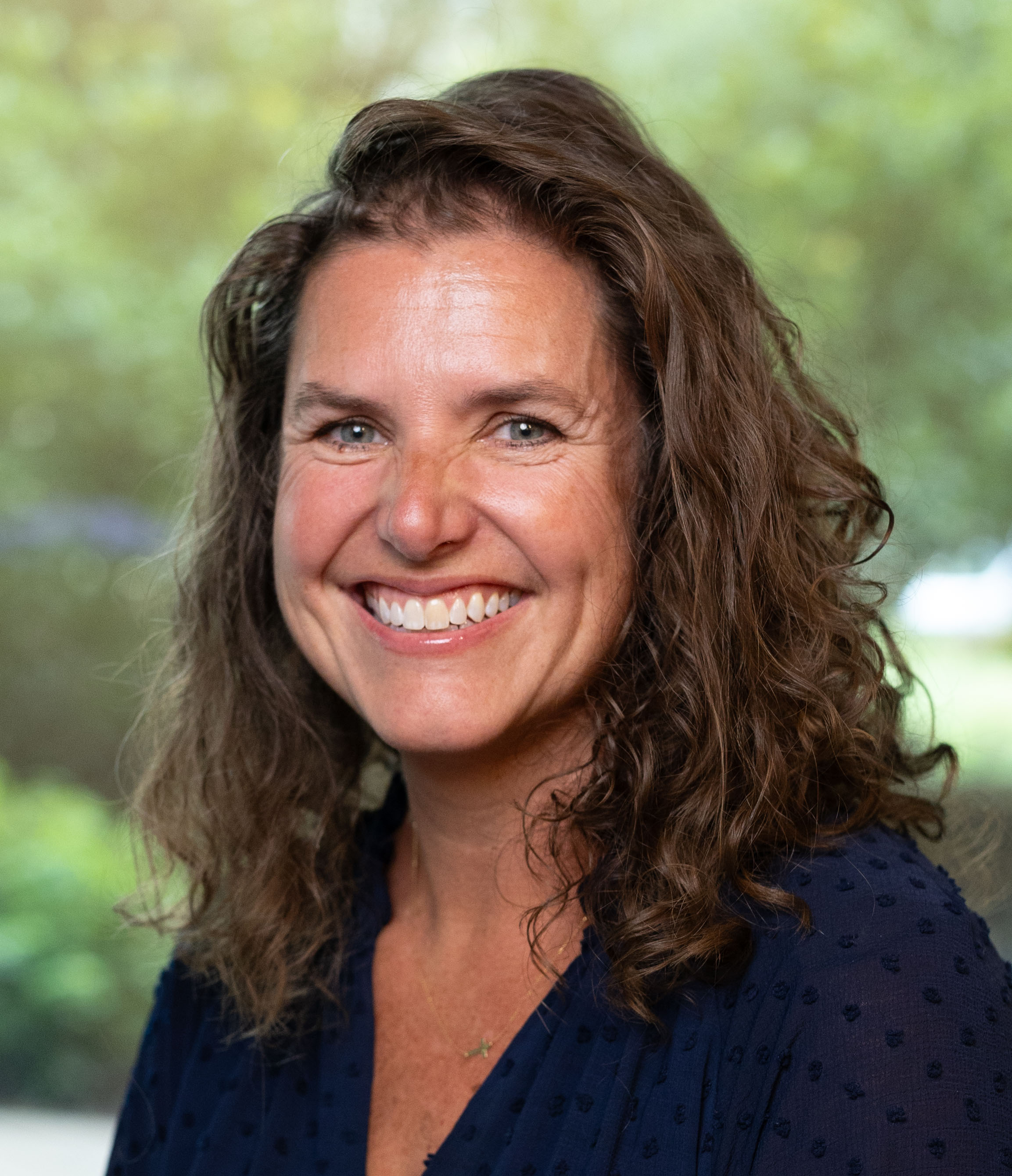
Our College of Education has identified some of the hoops and hurdles keeping possible teachers out of the classroom and found ways to remove them. It has allowed midlife career individuals who want to get into the classroom and are unable to complete a traditional undergraduate degree a roadmap to the classroom.
Leah McKeeman | Teaching Assistant Professor
Modern Language Education

When you first start teaching, you don’t always know where it’s going or where students are going to struggle, especially as a classroom teacher. As you gain experience and teach the same things for several years, you begin to understand how to teach more effectively and where students are going to struggle. Because of my experience, I feel like I am more equipped to support our students in our methods course.
Michael Lawson | Teaching Assistant Professor
What is your advice for incoming MAT students? My advice to incoming MAT students is to have confidence in themselves. Value what you’ve already learned and what you’ve already achieved up until this point. Be ready to bring your experience to the program as you work on assignments or interact with your peers, professors or your GradCats.
Vicki Sherbert | Associate Professor
Secondary Literacy
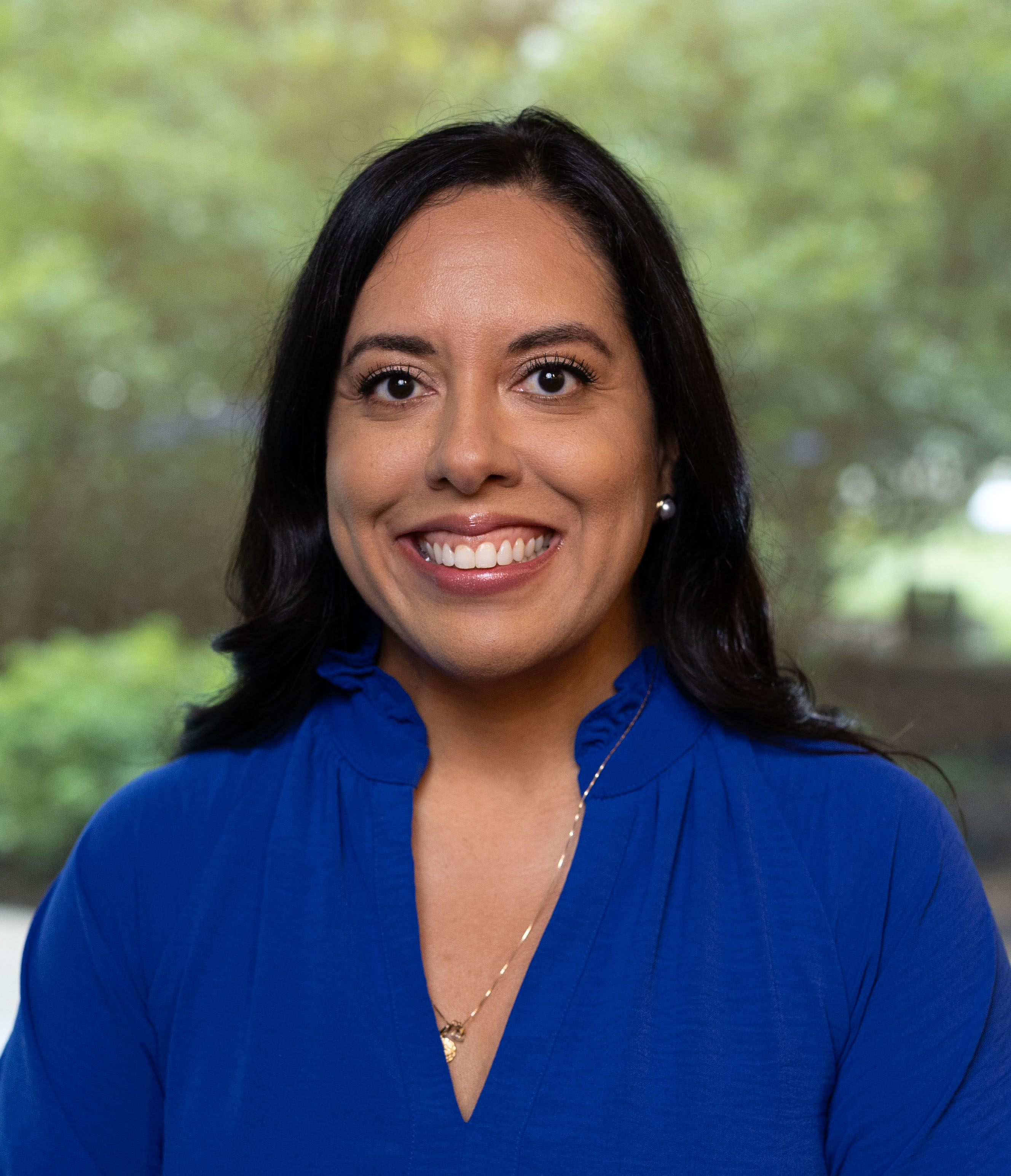
How would your students describe you as a teacher? Authentic, human and meaningful. It’s less about my teaching experience and more about the students’ experiences in my courses. I want my students to see their humanity at the center of what we’re doing. I want their voices to feel heard in what we’re doing. I want them to feel challenged in appropriate and meaningful ways.
Eileen Wertzberger | Assistant Professor
Director, Office of Field Experience
Can I become a teacher if I already have a bachelor’s degree in another field?
Yes. K-State’s MAT program is designed for career changers. For the secondary program specifically, you’ll need significant content background in your desired licensure area. You don’t need a prior education degree or teaching experience to apply — the program prepares secondary students for full 6–12 teacher licensure from the ground up.
What is a Master of Arts in Teaching (MAT) program?
The Secondary MAT is designed for career changers with a bachelor’s degree who want to transition into secondary education. The online program prepares you for classroom teaching in grades 6–12 and is offered through K-State Online.
Can I become a licensed teacher through the online MAT program?
Yes. The online Secondary MAT prepares you for licensure in Kansas, which can lead to licensure in other states. Once you complete the program, you’ll be eligible to apply for an Initial Teaching License in Kansas. Kansas licensure also requires passing the Praxis content test for your subject area (required for admission). The license will transfer to other states upon completion of any additional requirements in those states.
How long does it take to become a teacher through this program?
The timeline is flexible, depending on your track and pace. Most secondary students complete the MAT within one to two years. Coursework is fully asynchronous, so you work on your own schedule — evenings and weekends included. Student-teaching takes place in local schools during your final semester and requires full-time classroom presence. If you’re on the Practitioner Track teaching on a Restricted License, KSDE requires you to complete the program within 24 months.
Is an online MAT degree respected by school districts?
Yes. K-State’s MAT program is well-respected by school districts, and many recent graduates — including secondary students — have been recognized through the Kansas Horizon Award for early-career teachers. The program is ranked No. 18 among online master’s in education programs by U.S. News & World Report. The combination of rigorous online coursework and real classroom experience ensures secondary graduates are prepared to make an immediate impact.
How is this different from a Master of Educational Leadership?
The Secondary MAT is for individuals with a bachelor’s degree and subject-area expertise who are transitioning into secondary teaching from another field. The Master of Educational Leadership is for educators ready to take the next step into building leadership.
How does student teaching work if I don’t live in Kansas?
You do not need to live in Kansas to complete the MAT program or your field experiences. K-State’s MAT team is great at working with schools across the country to arrange practicum and student-teaching placements. In most instances, placements can be arranged close to where students live. However, placement availability varies by location and is contingent on district approval.
MAT students are required to obtain a device that enables recording, such as a tablet or video-enabled phone. The combination of these technologies enables real-time and video classroom observations and evaluation.
Questions about field experiences should be directed to Dr. Wertzberger (ejm7777@ksu.edu).
What careers can a Master of Arts in Teaching lead to?
Completing the Secondary MAT prepares you to teach grades 6–12 as a licensed secondary teacher in your subject area. Teacher demand remains strong in Kansas and nationwide, particularly in mathematics, science and world languages — several of the licensure areas now offered through the Secondary MAT’s four disciplinary clusters.
Who is K-State’s MAT program designed for?
The Secondary MAT is designed for busy adults with a bachelor'’s degree and subject-matter expertise who are either working in education or transitioning from another field. Coursework is offered online, making it convenient and affordable for working adults.
Do I need a background in education to apply?
No. Since you’re pursuing secondary licensure, your bachelor’s degree should be in a field related to your chosen content specialization.
Is K-State’s MAT program right for career changers?
Yes. The Secondary MAT is built for career changers. All coursework is fully online and asynchronous, so you can keep working while you earn your degree. The Practitioner Track lets Kansas students secure a teaching position and lead a classroom while finishing their degree on a Restricted License. The License-Seeking Track lets you continue your current job while completing coursework, with student-teaching arranged locally in your final semester.
Is the program 100% online?
With the exception of attendance requirements for the practicum and internship, all coursework for the Secondary MAT is completed online and asynchronously.
Are there any in-person requirements or field experiences?
There are no requirements to attend classes in person in Manhattan, KS. MAT coursework is completed fully online; however, the program does include in-person classroom field experiences. During your practicum semester, you will need to be available to spend six hours per week in a classroom. During your internship semester, you will need to attend your placement full-time for 12+ weeks. K-State's MAT team will work with you to arrange your practicum and internship placements.
MAT students are required to obtain a recording device, such as a tablet or video-enabled phone. The combination of these technologies enables real-time and video-based classroom observations and evaluations.
Questions about field experiences should be directed to Dr. Wertzberger (ejm7777@ksu.edu).
Can I move through the program at my own pace?
Yes. Secondary MAT coursework is fully asynchronous and self-paced within each semester. Most secondary students complete the degree within one to two years. If you’re on the Practitioner Track with a temporary Restricted License, KSDE requires you to complete the program within 24 months.
What is the typical duration of the MAT program, and can it be completed part-time or only full-time?
Secondary students can complete the MAT in 12–24 months. Those on the License-Seeking Track may take longer. Online coursework can be completed full-time or part-time; student-teaching (EDCI 801), however, must be completed full-time in a classroom setting.
How is the balance between coursework and field experience structured?
Most coursework is completed online. During the semester you enroll in EDCI 800, you’re required to arrange, with your cooperating teacher/school, 64 hours of teaching experience. During EDCI 801, you’ll complete 12 weeks of full-time student teaching and won’t be able to continue full-time employment.
Can I complete the MAT while working full-time?
Yes. All Secondary MAT coursework is fully asynchronous — you complete it on your own schedule, evenings and weekends included. The Practitioner Track is designed specifically for this: Kansas students can secure a teaching position and begin earning a salary while finishing their degree on a Restricted License. The one exception is student- teaching (EDCI 801) within the License-Seeking Track, which requires full-time classroom presence during your final semester.
What is a GradCat and what do they do?
A GradCat is an experienced classroom teacher assigned to every secondary MAT student from the start of the program to the end. They serve as your personal mentor, coach and evaluator throughout every course — observing your teaching, providing feedback and supporting your growth.
What are the student-teaching requirements, and do they need to be completed in Kansas?
Secondary students complete field experiences during their final semester, in accredited schools near where they currently live. You’ll need a recording device, such as a tablet or video-enabled phone, for real-time, video-based classroom observations and evaluations. Questions about field experiences should be directed to Dr. Wertzberger (ejm7777@k-state.edu).
What kind of advising or mentoring support is provided?
Every secondary MAT student is assigned a GradCat, an experienced classroom teacher who serves as your personal mentor, coach and evaluator through every course. This individualized, practitioner-to-practitioner guidance makes a real difference in how prepared you feel walking into your own classroom.
Are there opportunities to specialize (e.g., literacy, TESOL, STEM)?
The Secondary MAT doesn’t offer formal specialization tracks beyond your chosen licensure area, but you may take additional graduate coursework in areas of interest. Additional coursework and testing may also support licensure endorsements such as English as a Second Language (ESL).
How does the program prepare graduates for diverse classroom settings and cultural contexts?
The Secondary MAT prepares you to work with students from a wide range of backgrounds, cultures, abilities and learning needs through instructional strategies designed to support all learners at the middle and high school level.
Is there an option for hybrid or online learning, especially for international students?
Yes. The Secondary MAT is delivered fully online and can be completed from anywhere with reliable internet access. Coursework is asynchronous, giving you flexibility as a working professional or if you’re in a different time zone. Live lectures and discussions are often available, with recordings provided if you can’t attend live.
Will I be eligible for teacher licensure after completing the MAT program?
Yes. Upon completing the Secondary MAT, you’ll be eligible to apply for an Initial Teaching License in Kansas for grades 6–12. The license will transfer to other states upon completion of any additional requirements in those states. To become certified, you’ll need to complete a background check and pass the Praxis content test for your licensure area (required for admission). K-State MAT graduates have the flexibility to launch teaching careers in their own communities — or beyond, with licensure that opens doors nationwide.
In which states can I become licensed with this degree?
Once you’re licensed to teach in Kansas, you can transfer your license to other states upon completion of any additional requirements for that state.
What grade levels can I teach after completing the program?
Completing the Secondary MAT licenses you to teach grades 6 through 12 in your subject area. Completion of the Art, Health, Modern Languages, Music or PE programs would allow you to teach PreK–12.
Admissions FAQs
What are the admission requirements?
All secondary applicants are required to meet the general university graduate admission requirements.
Is prior teaching experience required?
No, prior teaching experience is not required to apply.
What GPA is required for admission?
You’ll need a bachelor’s degree with a 3.0 GPA overall or in your final two years. If your GPA is below 3.0, contact Dr. Vontz (tvontz@ksu.edu) to discuss options.
Do I need to take the GRE or any other tests?
The GRE is not required. There’s a $65 graduate school application fee, though attending an MAT informational webinar may qualify you for a fee waiver. As a secondary applicant, you must submit a passing Praxis score in your designated subject area as part of admission — for example: Agriculture (5701), Chinese/Mandarin (5665), English Language Arts (5038), French (5174), German (5183), Japanese (5661), Mathematics (5165), Social Studies (5581) or Spanish (5195).
What materials are needed for the application?
A video statement of objectives answering three questions about your interest in the program, previous experience and why you’d be a successful teacher, plus a resume and the names and emails of three professional or academic references. International applicants or those whose primary language isn’t English have additional requirements.
What is the application timeline, and are GRE scores required?
Applications are accepted year-round. Apply at least two weeks before the semester starts — fall begins in late August, spring in late January, and summer offers multiple start dates. Reach out to K-State Online (online@k-state.edu) with application questions, or contact MAT student success coordinator TJ Duntz (tduntz@k-state.edu) for enrollment guidance. GRE scores are not required.
Is financial aid available for the MAT program?
Yes, and it’s substantial. All secondary MAT students pay in-state tuition regardless of where they live. More than 70% of MAT students receive scholarships. The Kansas Teacher Service Scholarship provides $3,300 per semester (apply by June 1 for priority consideration). K-State Online Scholarships provide $1,000–$1,500 per semester. Federal Teacher Loan Forgiveness of up to $17,500 is available if you teach in a qualifying school for five years. Attending a free MAT informational webinar can also get you an application fee waiver.
What are the tuition costs?
MAT courses are $593.25 per credit hour, the same rate for all students regardless of residency.* For a full breakdown of tuition and fees, visit K-State Online’s Tuition and Fees website.
*Rate based on 2026-2027 figures, subject to change annually. Your hours and costs will differ depending on transfer hours, course choices and academic progress.
Are there tuition payment plans or financial aid options for international students?
Yes. K-State offers monthly tuition payment plans and a variety of scholarship opportunities. All eligible students are encouraged to submit the FAFSA, since many financial aid and scholarship programs use FAFSA information during the award process.
Is there a demand for teachers? I’ve heard there's a teacher shortage — is that true?
Yes. Teacher shortages in Kansas and nationwide remain significant, particularly in mathematics, science and world languages — subject areas central to the Secondary MAT. Kansas reported nearly 2,000 teacher vacancies in 2024, and national shortages affect roughly one in eight teaching positions.
Will I be able to find a job after graduating?
Given ongoing teacher shortages, secondary MAT graduates are well-positioned to enter classrooms with strong prospects and long-term career stability.
Where is the best place to search for teaching jobs?
Resources vary by state. In Kansas, Educate Kansas (educatekansas.org) is the best place to start.
Are there alumni networks or career services available?
Yes. All K-State students have access to the Career Center for support with resumes, cover letters, interview preparation, job search strategies and career planning — resources you can continue to use as you enter the teaching profession.